
What Person-Centered Care Really Looks Like
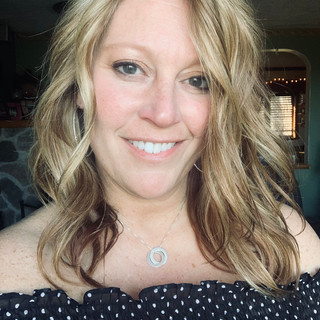

At S.T.E.P. by S.T.E.P., Inc., we often talk about concepts like recovery, independence, self-determination, and person-centered care. These are terms that appear in service plans, policies, and professional discussions. But sometimes the best way to understand what they truly mean is to see them in action.
This week, during our visit to the SBS Farm & Greenhouse, we had one of those moments.
As we gathered together for our weekly meditation surrounded by growing plants, sunshine, fresh air, and the sounds of nature, our discussion centered around growth—not just the growth happening in the greenhouse, but the growth happening within ourselves.
One member of our community is preparing for a significant transition. On Monday, she will take an important step toward more independent living as she moves from one family care setting into a living situation that offers greater independence and autonomy.
While the move itself is important, what makes this story so meaningful is the journey that led to it.
For months, she has been intentionally preparing for this transition. She has worked to strengthen her physical health, improve her daily living skills, maintain her mental and emotional well-being, and build the confidence needed to take this next step. More importantly, she has spent time reflecting on what truly matters to her.
Freedom. Independence. Choice.
The opportunity to build a life that reflects her own goals and values.
During our meditation, we talked about a word that often shows up in our lives: should.
We should do this.
We should want that.
We should make decisions that make everyone else comfortable.
We should follow the path others believe is best for us.
The challenge is that "should" often comes from outside of ourselves. It reflects expectations, opinions, and assumptions that may or may not align with what we genuinely value.
One of the most powerful things this individual has done is learn to let go of many of those outside expectations and instead ask herself a different question:
"What is important to me?"
This morning, during our meditation entitled Trusting the Process, we focused on growth, identifying our values, using our voices, and supporting one another through life's transitions. Surrounded by plants that have grown dramatically in just a few short weeks, we reflected on how growth doesn't happen all at once. Instead, it happens through small, consistent actions repeated over time.
After our meditation, I asked Jill what she felt were the biggest changes she had experienced over the last year and a half.
Her answer captured the heart of everything we have been discussing.
"I stand up for myself now, even when it isn't what people want to hear. Before, I would have just gone along with what everyone told me I should do. I feel stronger physically, but even more emotionally. I decided what was most important to me and I did what was necessary to create a life that reflected those values. It didn't happen all at once. It was small steps, and I stood my ground when I needed to."
As she shared her thoughts, it became clear that this is exactly what person-centered care is intended to support.
It is not about professionals deciding what a successful life should look like for someone else. It is about helping individuals identify what matters most to them and then providing the support, resources, encouragement, and opportunities needed to pursue those goals.
Jill's journey was not built on one major decision. It was built through hundreds of small choices. Learning new skills. Building confidence. Strengthening her body. Improving her emotional well-being. Speaking up when something did not feel right. Trusting her own voice. Continuing forward even when the path was uncomfortable.
Today, she is preparing to take an important step toward greater independence because she chose to pursue what aligned with her values rather than what others expected from her.
That is the heart of person-centered care.
Person-centered care is built on the belief that every individual deserves to be treated as a unique person with their own values, preferences, goals, strengths, and vision for their future. Rather than telling people what should matter to them, person-centered care begins by listening to what does matter to them.
It recognizes that meaningful growth happens when individuals are empowered to make choices, take ownership of their lives, and pursue goals that are personally meaningful.
In this case, greater independence mattered.
And once that became clear, the focus shifted from telling someone what to do to supporting them in accomplishing what they wanted to achieve.
That support came in many forms. It involved building physical strength. Developing life skills. Managing daily responsibilities. Learning to advocate for herself. Finding her voice. Speaking up about what she needed. Making difficult decisions. Working through discomfort. Continuing forward even when others disagreed or had different ideas about what was best.
As we sat together in the greenhouse surrounded by plants that continue to grow a little more each week, the connection was impossible to miss. Growth takes time. It takes patience. It takes care. And sometimes it requires the courage to trust yourself enough to keep moving toward the life you want, one small step at a time.
That is why person-centered care matters.
It is not simply a service model. It is a philosophy that recognizes the dignity, strengths, and potential of every individual. It respects each person's right to define what a meaningful life looks like for them and supports them in moving toward that vision.
At S.T.E.P. by S.T.E.P., Inc., this philosophy influences everything we do. Whether we are supporting someone in finding housing, developing independent living skills, improving their health, participating in community activities, building relationships, or pursuing personal goals, we begin with the same question:
"What matters most to you?"
Because when people are given the opportunity, support, and confidence to pursue what truly matters to them, remarkable things can happen.
This week, as Jill prepares to take an important step toward greater independence, we are reminded that person-centered care is not just a theory or a best practice.
It is real life, growth, empowerment, and it is self-leadership.
And sometimes, it looks like someone finding their voice, trusting themselves, standing firm in their values, and taking the next step toward the life they have worked hard to create.
We could not be more proud.


Comments